




 Italiano
 Français
 Español
 Deutsch


Fuel system and intake
There are 516 products.
Availability: 3 In Stock
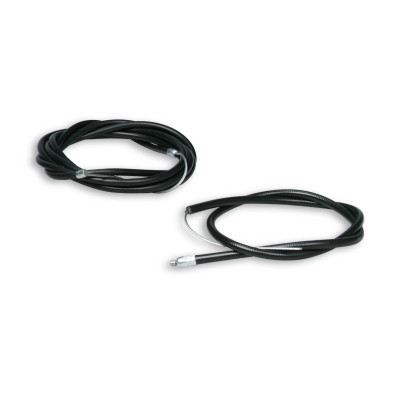
GAS and STARTER CABLES
Availability: 1 In Stock
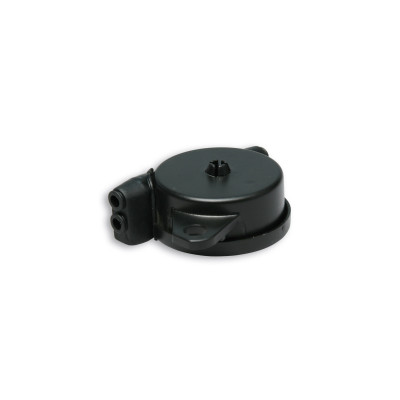
Throttle Control Cable 1 into 2 with quick turn throttle cam Housing Ø 4 mm Application: gas cable
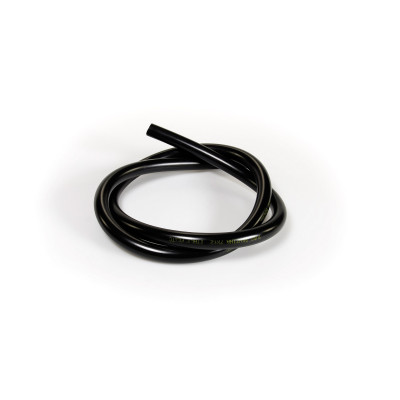
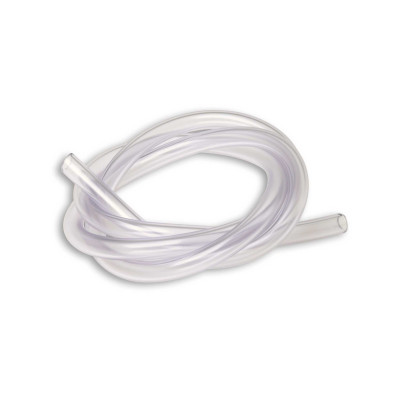
Availability: 3 In Stock
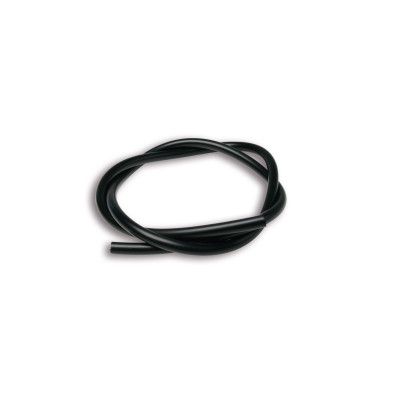
Single-layer plastified PVC hose with high resistance to fuels/ hydrocarbons. Designed to keep a long-lasting transparency and flexibility. Technical features Hardness 75 Sh(A) Density according to ISO 1183 1,26 gr/cm³ Elongation at break according to ISO 527 370% Temperature range - 30 °C ÷ 50°C
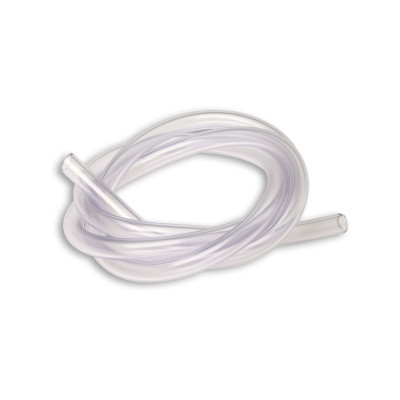
Availability: 3 In Stock
Single-layer plastified PVC hose with high resistance to fuels/ hydrocarbons. Designed to keep a long-lasting transparency and flexibility. Technical features Hardness 75 Sh(A) Density according to ISO 1183 1,26 gr/cm³ Elongation at break according to ISO 527 370% Temperature range - 30 °C ÷ 50°C
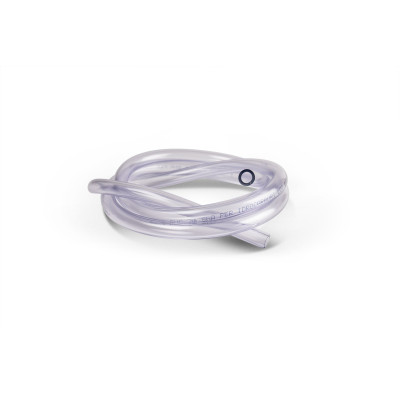
Availability: Out of stock
Single-layer plastified PVC hose with high resistance to fuels/ hydrocarbons. Designed to keep a long-lasting transparency and flexibility. Technical features Hardness 75 Sh(A) Density according to ISO 1183 1,26 gr/cm³ Elongation at break according to ISO 527 370% Temperature range - 30 °C ÷ 50°C
Availability: 1 In Stock
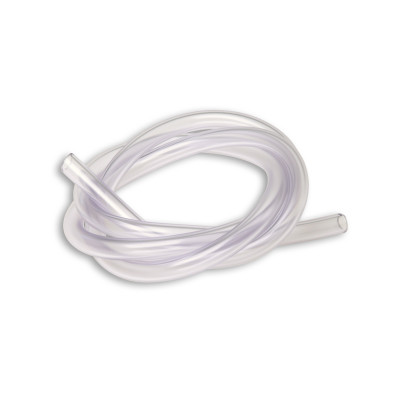
Single-layer plastified PVC hose with high resistance to fuels/ hydrocarbons. Designed to keep a long-lasting transparency and flexibility. Technical features Hardness 75 Sh(A) Density according to ISO 1183 1,26 gr/cm³ Elongation at break according to ISO 527 370% Temperature range - 30 °C ÷ 50°C
Availability: 3 In Stock
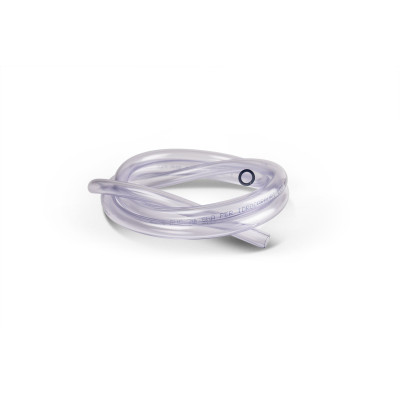
Single-layer plastified PVC hose with high resistance to fuels/ hydrocarbons. Designed to keep a long-lasting transparency and flexibility. Technical features Hardness 75 Sh(A) Density according to ISO 1183 1,26 gr/cm³ Elongation at break according to ISO 527 370% Temperature range - 30 °C ÷ 50°C
Availability: 3 In Stock
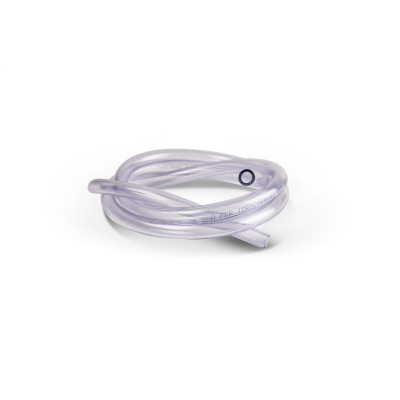
Single-layer plastified PVC hose with high resistance to fuels/ hydrocarbons. Designed to keep a long-lasting transparency and flexibility. Technical features Hardness 75 Sh(A) Density according to ISO 1183 1,26 gr/cm³ Elongation at break according to ISO 527 370% Temperature range - 30 °C ÷ 50°C
Availability: 1 In Stock
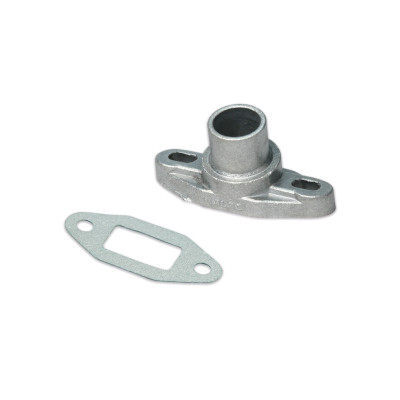
INTAKE MANIFOLDS Intake manifold conveys the air-fuel mixture to the engine by means of reed valve. The total efficiency of an engine is calculated as the product of various partial efficiencies, such as: volumetric efficiency thermodynamic efficiency mechanical efficiency Volumetric efficiency is the ratio between the quantity of fuel that can enter the combustion chamber and the displacement of the engine. One of the main factors affecting volumetric efficiency is loss due to friction that the fluid encounters (air-fuel mix) when feeding from the air filter to the combustion chamber.…
Availability: 3 In Stock
INTAKE MANIFOLDS Intake manifold conveys the air-fuel mixture to the engine by means of reed valve. The total efficiency of an engine is calculated as the product of various partial efficiencies, such as: volumetric efficiency thermodynamic efficiency mechanical efficiency Volumetric efficiency is the ratio between the quantity of fuel that can enter the combustion chamber and the displacement of the engine. One of the main factors affecting volumetric efficiency is loss due to friction that the fluid encounters (air-fuel mix) when feeding from the air filter to the combustion chamber.…
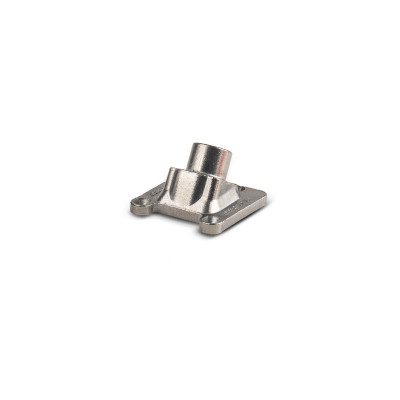
Availability: 3 In Stock
INTAKE MANIFOLDS Intake manifold conveys the air-fuel mixture to the engine by means of reed valve. The total efficiency of an engine is calculated as the product of various partial efficiencies, such as: volumetric efficiency thermodynamic efficiency mechanical efficiency Volumetric efficiency is the ratio between the quantity of fuel that can enter the combustion chamber and the displacement of the engine. One of the main factors affecting volumetric efficiency is loss due to friction that the fluid encounters (air-fuel mix) when feeding from the air filter to the combustion chamber.…
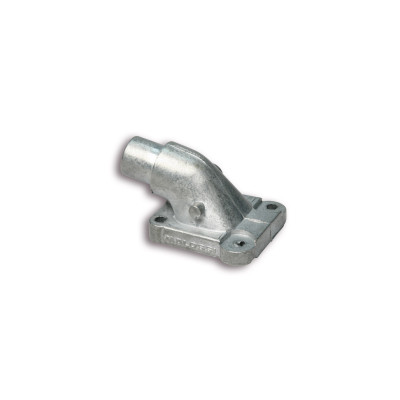
Availability: 3 In Stock
INTAKE MANIFOLDS Intake manifold conveys the air-fuel mixture to the engine by means of reed valve. The total efficiency of an engine is calculated as the product of various partial efficiencies, such as: volumetric efficiency thermodynamic efficiency mechanical efficiency Volumetric efficiency is the ratio between the quantity of fuel that can enter the combustion chamber and the displacement of the engine. One of the main factors affecting volumetric efficiency is loss due to friction that the fluid encounters (air-fuel mix) when feeding from the air filter to the combustion chamber.…
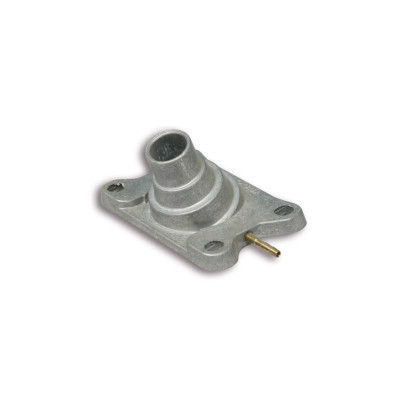
Availability: 3 In Stock
INTAKE MANIFOLDS Intake manifold conveys the air-fuel mixture to the engine by means of reed valve. The total efficiency of an engine is calculated as the product of various partial efficiencies, such as: volumetric efficiency thermodynamic efficiency mechanical efficiency Volumetric efficiency is the ratio between the quantity of fuel that can enter the combustion chamber and the displacement of the engine. One of the main factors affecting volumetric efficiency is loss due to friction that the fluid encounters (air-fuel mix) when feeding from the air filter to the combustion chamber.…
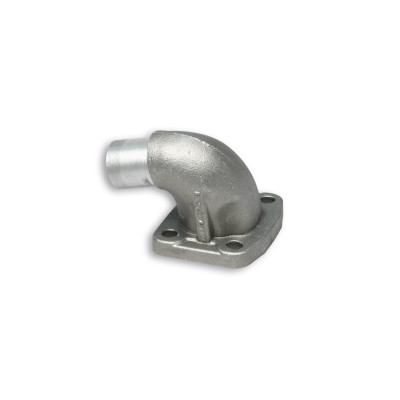
Availability: 3 In Stock
INTAKE MANIFOLDS Intake manifold conveys the air-fuel mixture to the engine by means of reed valve. The total efficiency of an engine is calculated as the product of various partial efficiencies, such as: volumetric efficiency thermodynamic efficiency mechanical efficiency Volumetric efficiency is the ratio between the quantity of fuel that can enter the combustion chamber and the displacement of the engine. One of the main factors affecting volumetric efficiency is loss due to friction that the fluid encounters (air-fuel mix) when feeding from the air filter to the combustion chamber.…
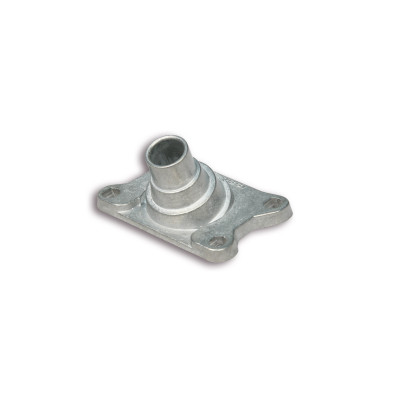
Availability: 3 In Stock
INTAKE MANIFOLDS Intake manifold conveys the air-fuel mixture to the engine by means of reed valve. The total efficiency of an engine is calculated as the product of various partial efficiencies, such as: volumetric efficiency thermodynamic efficiency mechanical efficiency Volumetric efficiency is the ratio between the quantity of fuel that can enter the combustion chamber and the displacement of the engine. One of the main factors affecting volumetric efficiency is loss due to friction that the fluid encounters (air-fuel mix) when feeding from the air filter to the combustion chamber.…
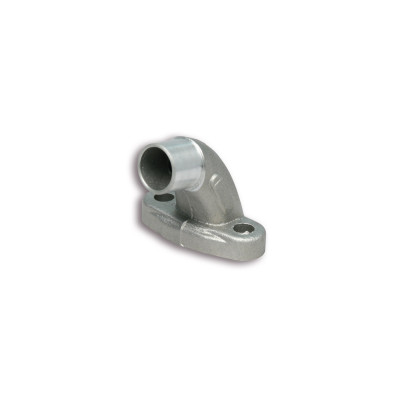
Availability: 3 In Stock
INTAKE MANIFOLDS Intake manifold conveys the air-fuel mixture to the engine by means of reed valve. The total efficiency of an engine is calculated as the product of various partial efficiencies, such as: volumetric efficiency thermodynamic efficiency mechanical efficiency Volumetric efficiency is the ratio between the quantity of fuel that can enter the combustion chamber and the displacement of the engine. One of the main factors affecting volumetric efficiency is loss due to friction that the fluid encounters (air-fuel mix) when feeding from the air filter to the combustion chamber.…
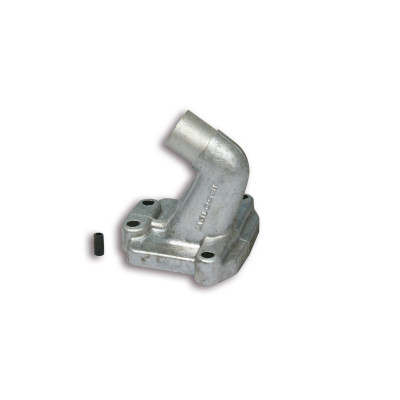
Availability: 1 In Stock
INTAKE MANIFOLDS Intake manifold conveys the air-fuel mixture to the engine by means of reed valve. The total efficiency of an engine is calculated as the product of various partial efficiencies, such as: volumetric efficiency thermodynamic efficiency mechanical efficiency Volumetric efficiency is the ratio between the quantity of fuel that can enter the combustion chamber and the displacement of the engine. One of the main factors affecting volumetric efficiency is loss due to friction that the fluid encounters (air-fuel mix) when feeding from the air filter to the combustion chamber.…
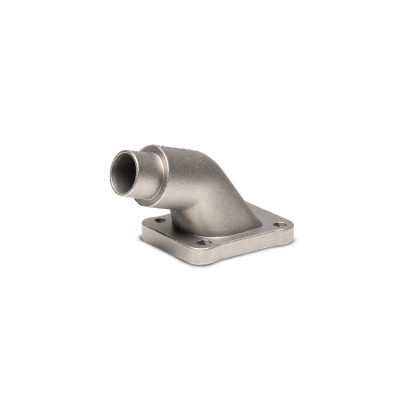
Availability: 3 In Stock
INTAKE MANIFOLDS Intake manifold conveys the air-fuel mixture to the engine by means of reed valve. The total efficiency of an engine is calculated as the product of various partial efficiencies, such as: volumetric efficiency thermodynamic efficiency mechanical efficiency Volumetric efficiency is the ratio between the quantity of fuel that can enter the combustion chamber and the displacement of the engine. One of the main factors affecting volumetric efficiency is loss due to friction that the fluid encounters (air-fuel mix) when feeding from the air filter to the combustion chamber.…
Availability: 1 In Stock
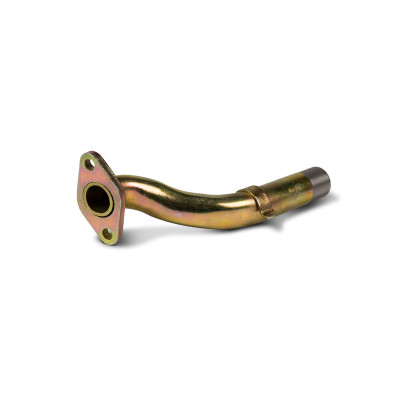
INTAKE MANIFOLDS Intake manifold conveys the air-fuel mixture to the engine by means of reed valve. The total efficiency of an engine is calculated as the product of various partial efficiencies, such as: volumetric efficiency thermodynamic efficiency mechanical efficiency Volumetric efficiency is the ratio between the quantity of fuel that can enter the combustion chamber and the displacement of the engine. One of the main factors affecting volumetric efficiency is loss due to friction that the fluid encounters (air-fuel mix) when feeding from the air filter to the combustion chamber.…
Availability: 3 In Stock
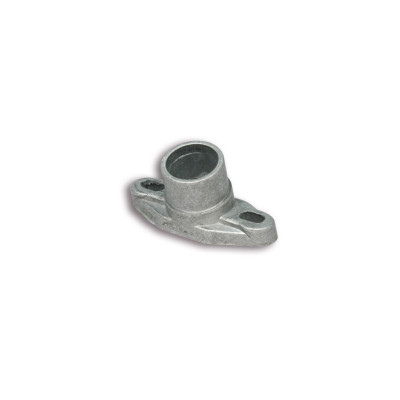
INTAKE MANIFOLDS Intake manifold conveys the air-fuel mixture to the engine by means of reed valve. The total efficiency of an engine is calculated as the product of various partial efficiencies, such as: volumetric efficiency thermodynamic efficiency mechanical efficiency Volumetric efficiency is the ratio between the quantity of fuel that can enter the combustion chamber and the displacement of the engine. One of the main factors affecting volumetric efficiency is loss due to friction that the fluid encounters (air-fuel mix) when feeding from the air filter to the combustion chamber.…
Availability: 3 In Stock
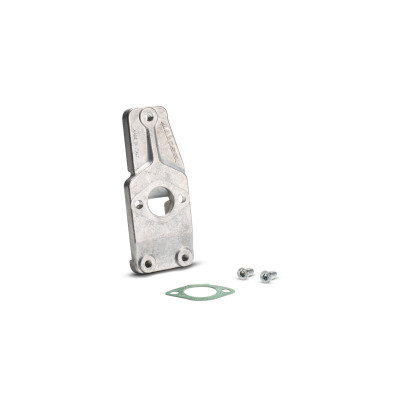
INTAKE MANIFOLDS Intake manifold conveys the air-fuel mixture to the engine by means of reed valve. The total efficiency of an engine is calculated as the product of various partial efficiencies, such as: volumetric efficiency thermodynamic efficiency mechanical efficiency Volumetric efficiency is the ratio between the quantity of fuel that can enter the combustion chamber and the displacement of the engine. One of the main factors affecting volumetric efficiency is loss due to friction that the fluid encounters (air-fuel mix) when feeding from the air filter to the combustion chamber.…
Availability: 3 In Stock
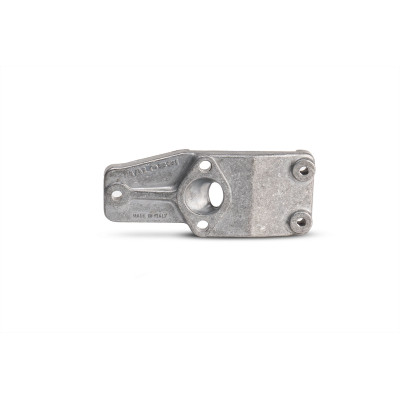
INTAKE MANIFOLDS Intake manifold conveys the air-fuel mixture to the engine by means of reed valve. The total efficiency of an engine is calculated as the product of various partial efficiencies, such as: volumetric efficiency thermodynamic efficiency mechanical efficiency Volumetric efficiency is the ratio between the quantity of fuel that can enter the combustion chamber and the displacement of the engine. One of the main factors affecting volumetric efficiency is loss due to friction that the fluid encounters (air-fuel mix) when feeding from the air filter to the combustion chamber.…
Availability: 3 In Stock
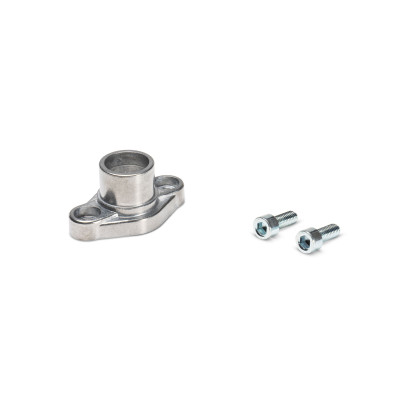
INTAKE MANIFOLDS Intake manifold conveys the air-fuel mixture to the engine by means of reed valve. The total efficiency of an engine is calculated as the product of various partial efficiencies, such as: volumetric efficiency thermodynamic efficiency mechanical efficiency Volumetric efficiency is the ratio between the quantity of fuel that can enter the combustion chamber and the displacement of the engine. One of the main factors affecting volumetric efficiency is loss due to friction that the fluid encounters (air-fuel mix) when feeding from the air filter to the combustion chamber.…
Availability: 3 In Stock
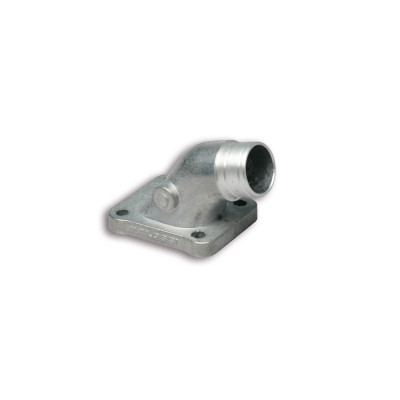
INTAKE MANIFOLDS Intake manifold conveys the air-fuel mixture to the engine by means of reed valve. The total efficiency of an engine is calculated as the product of various partial efficiencies, such as: volumetric efficiency thermodynamic efficiency mechanical efficiency Volumetric efficiency is the ratio between the quantity of fuel that can enter the combustion chamber and the displacement of the engine. One of the main factors affecting volumetric efficiency is loss due to friction that the fluid encounters (air-fuel mix) when feeding from the air filter to the combustion chamber.…
Availability: Out of stock
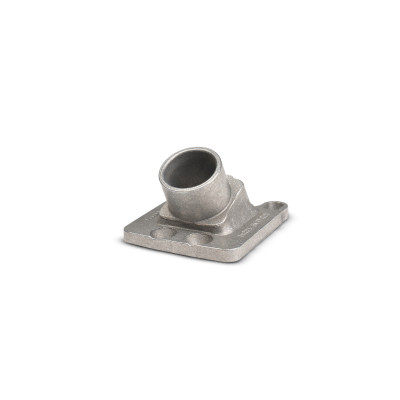
INTAKE MANIFOLDS Intake manifold conveys the air-fuel mixture to the engine by means of reed valve. The total efficiency of an engine is calculated as the product of various partial efficiencies, such as: volumetric efficiency thermodynamic efficiency mechanical efficiency Volumetric efficiency is the ratio between the quantity of fuel that can enter the combustion chamber and the displacement of the engine. One of the main factors affecting volumetric efficiency is loss due to friction that the fluid encounters (air-fuel mix) when feeding from the air filter to the combustion chamber.…
Availability: 3 In Stock
INTAKE MANIFOLDS Intake manifold conveys the air-fuel mixture to the engine by means of reed valve. The total efficiency of an engine is calculated as the product of various partial efficiencies, such as: volumetric efficiency thermodynamic efficiency mechanical efficiency Volumetric efficiency is the ratio between the quantity of fuel that can enter the combustion chamber and the displacement of the engine. One of the main factors affecting volumetric efficiency is loss due to friction that the fluid encounters (air-fuel mix) when feeding from the air filter to the combustion chamber.…
Availability: 3 In Stock
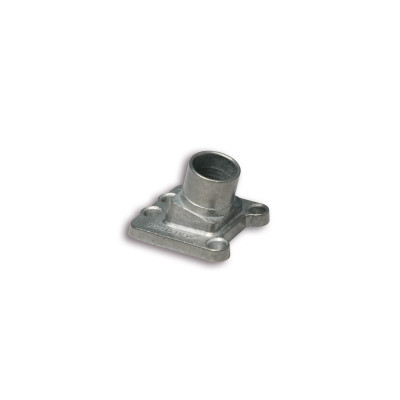
INTAKE MANIFOLDS Intake manifold conveys the air-fuel mixture to the engine by means of reed valve. The total efficiency of an engine is calculated as the product of various partial efficiencies, such as: volumetric efficiency thermodynamic efficiency mechanical efficiency Volumetric efficiency is the ratio between the quantity of fuel that can enter the combustion chamber and the displacement of the engine. One of the main factors affecting volumetric efficiency is loss due to friction that the fluid encounters (air-fuel mix) when feeding from the air filter to the combustion chamber.…
Availability: 3 In Stock
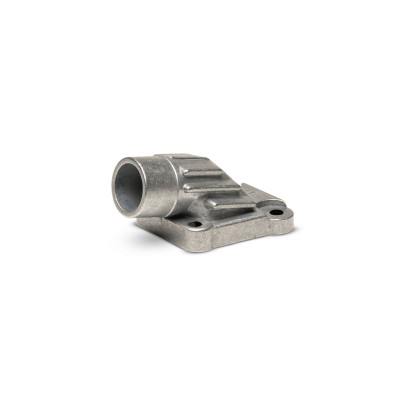
INTAKE MANIFOLDS Intake manifold conveys the air-fuel mixture to the engine by means of reed valve. The total efficiency of an engine is calculated as the product of various partial efficiencies, such as: volumetric efficiency thermodynamic efficiency mechanical efficiency Volumetric efficiency is the ratio between the quantity of fuel that can enter the combustion chamber and the displacement of the engine. One of the main factors affecting volumetric efficiency is loss due to friction that the fluid encounters (air-fuel mix) when feeding from the air filter to the combustion chamber.…
Availability: 3 In Stock
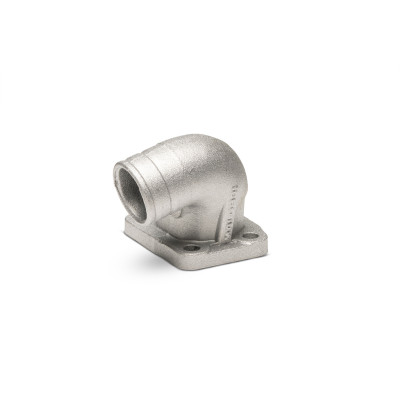
INTAKE MANIFOLDS Intake manifold conveys the air-fuel mixture to the engine by means of reed valve. The total efficiency of an engine is calculated as the product of various partial efficiencies, such as: volumetric efficiency thermodynamic efficiency mechanical efficiency Volumetric efficiency is the ratio between the quantity of fuel that can enter the combustion chamber and the displacement of the engine. One of the main factors affecting volumetric efficiency is loss due to friction that the fluid encounters (air-fuel mix) when feeding from the air filter to the combustion chamber.…
Availability: 1 In Stock
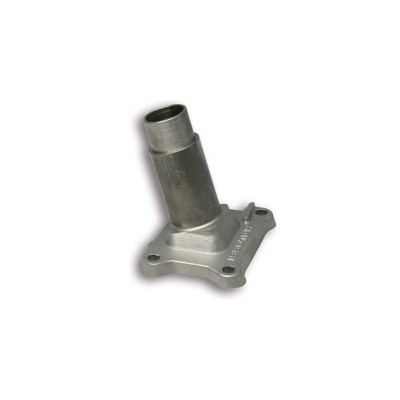
INTAKE MANIFOLDS Intake manifold conveys the air-fuel mixture to the engine by means of reed valve. The total efficiency of an engine is calculated as the product of various partial efficiencies, such as: volumetric efficiency thermodynamic efficiency mechanical efficiency Volumetric efficiency is the ratio between the quantity of fuel that can enter the combustion chamber and the displacement of the engine. One of the main factors affecting volumetric efficiency is loss due to friction that the fluid encounters (air-fuel mix) when feeding from the air filter to the combustion chamber.…
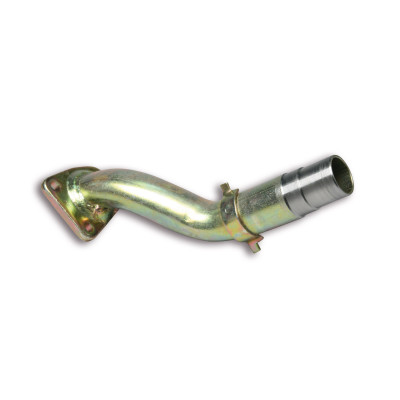
Availability: 3 In Stock
INTAKE MANIFOLDS Intake manifold conveys the air-fuel mixture to the engine by means of reed valve. The total efficiency of an engine is calculated as the product of various partial efficiencies, such as: volumetric efficiency thermodynamic efficiency mechanical efficiency Volumetric efficiency is the ratio between the quantity of fuel that can enter the combustion chamber and the displacement of the engine. One of the main factors affecting volumetric efficiency is loss due to friction that the fluid encounters (air-fuel mix) when feeding from the air filter to the combustion chamber.…
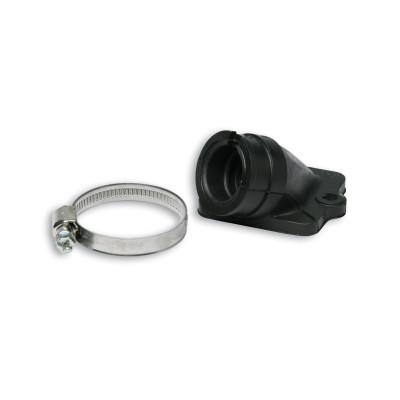
Availability: 3 In Stock
INTAKE MANIFOLDS Intake manifold conveys the air-fuel mixture to the engine by means of reed valve. The total efficiency of an engine is calculated as the product of various partial efficiencies, such as: - volumetric efficiency - thermodynamic efficiency - mechanical efficiency Volumetric efficiency is the ratio between the quantity of fuel that can enter the combustion chamber and the displacement of the engine. One of the main factors affecting volumetric efficiency is loss due to friction that the fluid encounters (air-fuel mix) when feeding from the air filter to the combustion chamber.…
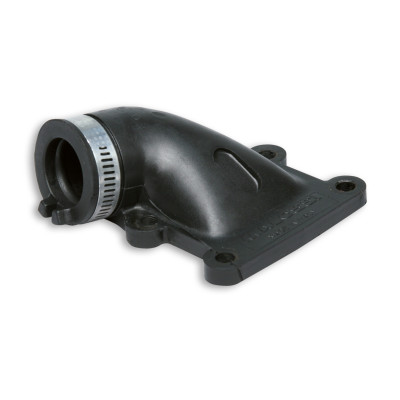
Availability: 3 In Stock
INTAKE MANIFOLDS Intake manifold conveys the air-fuel mixture to the engine by means of reed valve. The total efficiency of an engine is calculated as the product of various partial efficiencies, such as: - volumetric efficiency - thermodynamic efficiency - mechanical efficiency Volumetric efficiency is the ratio between the quantity of fuel that can enter the combustion chamber and the displacement of the engine. One of the main factors affecting volumetric efficiency is loss due to friction that the fluid encounters (air-fuel mix) when feeding from the air filter to the combustion chamber.…
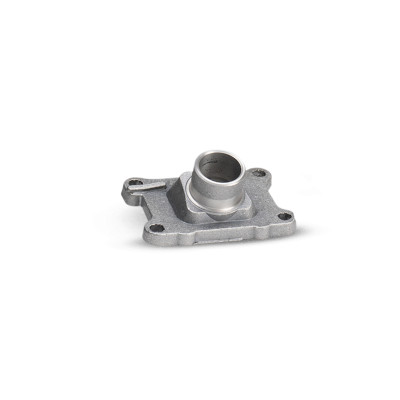
Availability: 3 In Stock
INTAKE MANIFOLDS Intake manifold conveys the air-fuel mixture to the engine by means of reed valve. The total efficiency of an engine is calculated as the product of various partial efficiencies, such as: volumetric efficiency thermodynamic efficiency mechanical efficiency Volumetric efficiency is the ratio between the quantity of fuel that can enter the combustion chamber and the displacement of the engine. One of the main factors affecting volumetric efficiency is loss due to friction that the fluid encounters (air-fuel mix) when feeding from the air filter to the combustion chamber.…
Availability: 1 In Stock
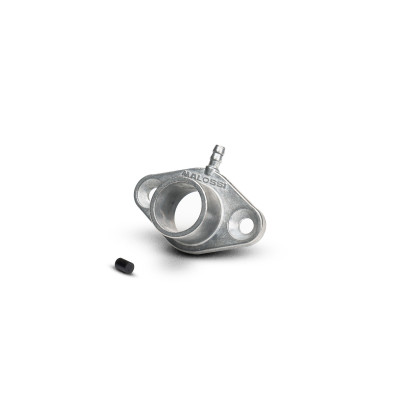
INTAKE MANIFOLDS Intake manifold conveys the air-fuel mixture to the engine by means of reed valve. The total efficiency of an engine is calculated as the product of various partial efficiencies, such as: volumetric efficiency thermodynamic efficiency mechanical efficiency Volumetric efficiency is the ratio between the quantity of fuel that can enter the combustion chamber and the displacement of the engine. One of the main factors affecting volumetric efficiency is loss due to friction that the fluid encounters (air-fuel mix) when feeding from the air filter to the combustion chamber.…
Availability: 3 In Stock
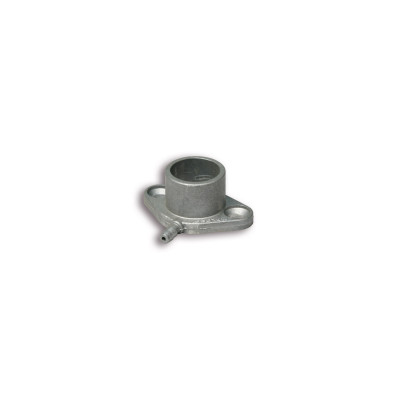
INTAKE MANIFOLDS Intake manifold conveys the air-fuel mixture to the engine by means of reed valve. The total efficiency of an engine is calculated as the product of various partial efficiencies, such as: volumetric efficiency thermodynamic efficiency mechanical efficiency Volumetric efficiency is the ratio between the quantity of fuel that can enter the combustion chamber and the displacement of the engine. One of the main factors affecting volumetric efficiency is loss due to friction that the fluid encounters (air-fuel mix) when feeding from the air filter to the combustion chamber.…
Availability: 3 In Stock
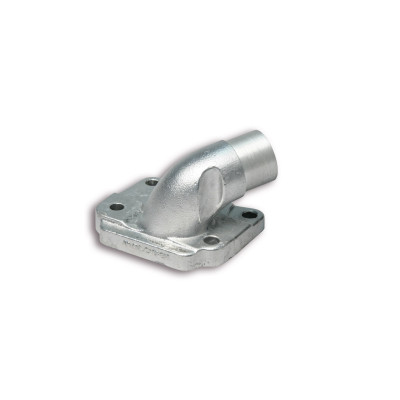
INTAKE MANIFOLDS Intake manifold conveys the air-fuel mixture to the engine by means of reed valve. The total efficiency of an engine is calculated as the product of various partial efficiencies, such as: volumetric efficiency thermodynamic efficiency mechanical efficiency Volumetric efficiency is the ratio between the quantity of fuel that can enter the combustion chamber and the displacement of the engine. One of the main factors affecting volumetric efficiency is loss due to friction that the fluid encounters (air-fuel mix) when feeding from the air filter to the combustion chamber.…
Availability: 3 In Stock
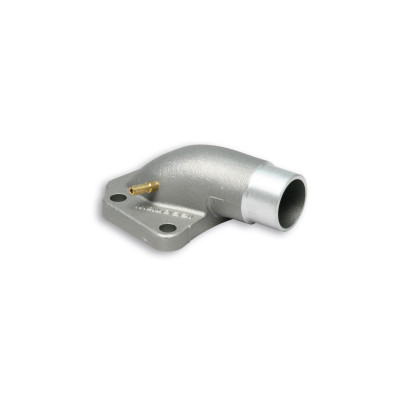
INTAKE MANIFOLDS Intake manifold conveys the air-fuel mixture to the engine by means of reed valve. The total efficiency of an engine is calculated as the product of various partial efficiencies, such as: volumetric efficiency thermodynamic efficiency mechanical efficiency Volumetric efficiency is the ratio between the quantity of fuel that can enter the combustion chamber and the displacement of the engine. One of the main factors affecting volumetric efficiency is loss due to friction that the fluid encounters (air-fuel mix) when feeding from the air filter to the combustion chamber.…
Availability: 3 In Stock
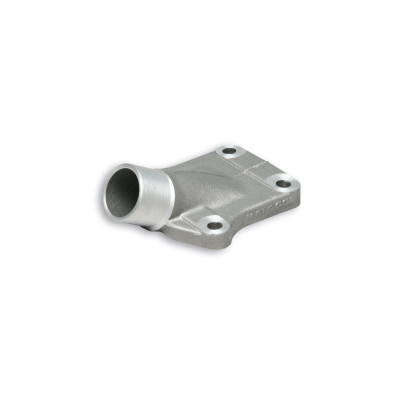
INTAKE MANIFOLDS Intake manifold conveys the air-fuel mixture to the engine by means of reed valve. The total efficiency of an engine is calculated as the product of various partial efficiencies, such as: volumetric efficiency thermodynamic efficiency mechanical efficiency Volumetric efficiency is the ratio between the quantity of fuel that can enter the combustion chamber and the displacement of the engine. One of the main factors affecting volumetric efficiency is loss due to friction that the fluid encounters (air-fuel mix) when feeding from the air filter to the combustion chamber.…
Availability: 3 In Stock
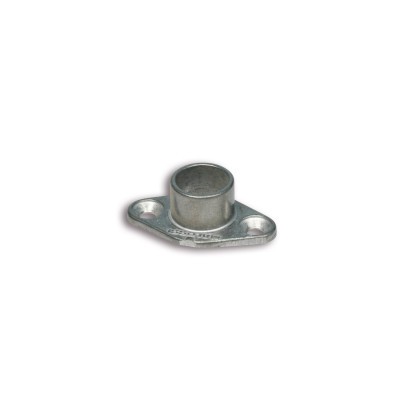
INTAKE MANIFOLDS Intake manifold conveys the air-fuel mixture to the engine by means of reed valve. The total efficiency of an engine is calculated as the product of various partial efficiencies, such as: volumetric efficiency thermodynamic efficiency mechanical efficiency Volumetric efficiency is the ratio between the quantity of fuel that can enter the combustion chamber and the displacement of the engine. One of the main factors affecting volumetric efficiency is loss due to friction that the fluid encounters (air-fuel mix) when feeding from the air filter to the combustion chamber.…
Availability: 3 In Stock
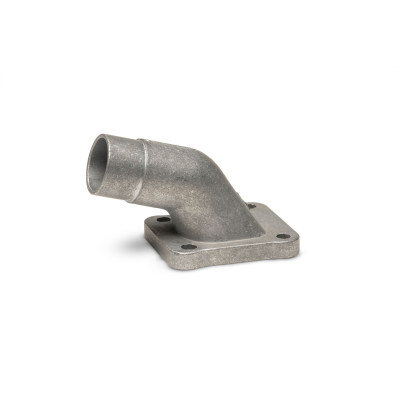
INTAKE MANIFOLDS Intake manifold conveys the air-fuel mixture to the engine by means of reed valve. The total efficiency of an engine is calculated as the product of various partial efficiencies, such as: volumetric efficiency thermodynamic efficiency mechanical efficiency Volumetric efficiency is the ratio between the quantity of fuel that can enter the combustion chamber and the displacement of the engine. One of the main factors affecting volumetric efficiency is loss due to friction that the fluid encounters (air-fuel mix) when feeding from the air filter to the combustion chamber.…
Availability: 3 In Stock
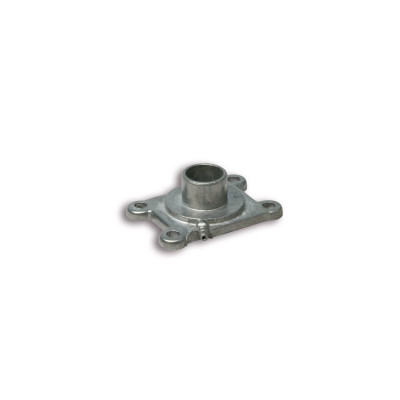
INTAKE MANIFOLDS Intake manifold conveys the air-fuel mixture to the engine by means of reed valve. The total efficiency of an engine is calculated as the product of various partial efficiencies, such as: volumetric efficiency thermodynamic efficiency mechanical efficiency Volumetric efficiency is the ratio between the quantity of fuel that can enter the combustion chamber and the displacement of the engine. One of the main factors affecting volumetric efficiency is loss due to friction that the fluid encounters (air-fuel mix) when feeding from the air filter to the combustion chamber.…